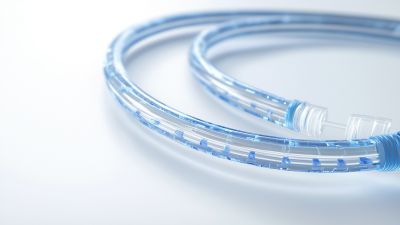
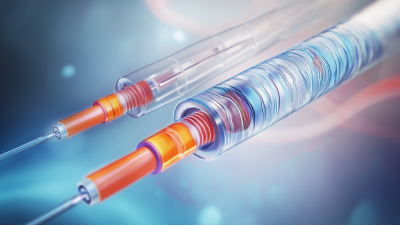
You know, in today's fast-paced healthcare world, the demand for advanced medical devices is absolutely skyrocketing. One standout innovation is the Split Catheter, which has this really cool design and can be used in a bunch of different clinical settings. A recent report from MarketsandMarkets even predicts that the global catheter market will hit a whopping USD 26.0 billion by 2025! That just goes to show how crucial high-quality catheters are for boosting patient care and outcomes. Over at Tianck Medical Co., Ltd., we’re totally invested in improving healthcare with our precision-engineered products. We really aim to meet the diverse needs of medical professionals and patients all over the globe, and that’s helped us carve out a spot as a leader in developing top-notch Split Catheter solutions that make procedures smoother and keep patients comfy.
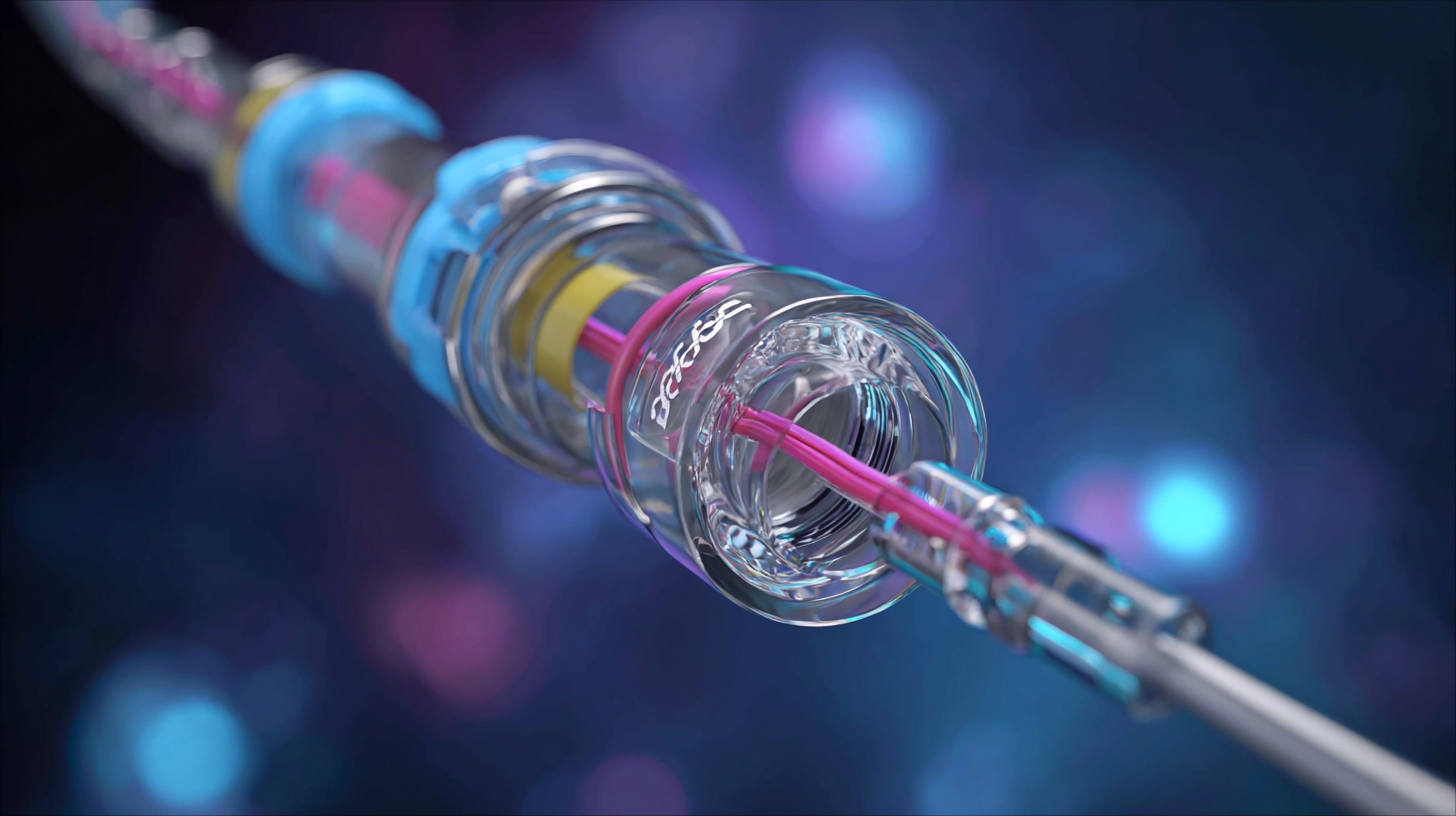
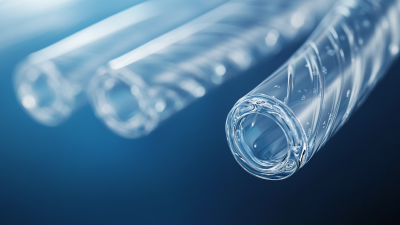
So, split catheters are these really cool medical devices that help improve how fluids are delivered and sampled. One of the standout features? They've got this dual-lumen design that allows for both infusion and aspiration to happen at the same time. Pretty neat, right? This not only cuts down on the chance of contamination but also makes things way more comfortable for patients since it means fewer needle pokes. Plus, they’re made from flexible, biocompatible materials, which helps reduce any irritation in the blood vessels and keeps patients feeling more at ease.
Another great thing about split catheters is how adaptable they are across different clinical scenarios. You’ll find them a lot in Critical Care settings where they’re used for giving medications, blood products, and fluids. They’re really key for managing patient care. Their design accommodates various catheter sizes and setups, so healthcare providers can pick what works best for each patient. And let’s not forget the ease of insertion and those secure locking mechanisms; they really help boost their effectiveness and reliability in everyday practice. All in all, the unique features of split catheters make them an essential tool in today’s healthcare world.
Split catheters are essential tools in modern medical practice, designed to enhance the efficacy of various procedures. At Tianck Medical CO., Ltd., we understand that the unique features of split catheters directly contribute to improved patient outcomes. These catheters typically come in various designs, each tailored to meet specific medical needs. For instance, some feature multiple lumens that allow for simultaneous administration of medications, reducing the time patients spend in critical interventions. Others may incorporate specialized materials that enhance visibility under imaging techniques, ensuring greater accuracy during placement.
The functionality of split catheters extends beyond mere insertion. Many designs focus on the ease of use for medical professionals, ensuring that they can perform complex procedures more efficiently. Our commitment to precision engineering means that every product we develop is rigorously tested to accommodate the evolving requirements of healthcare. By continuously innovating and refining our split catheter designs, we aim to provide healthcare practitioners with the tools they need to optimize patient care while maintaining the highest standards of safety and efficacy.
| Type of Split Catheter | Design Features | Functionality | Common Applications |
|---|---|---|---|
| Standard Split Catheter | Two lumens for dual access | Allows simultaneous flow | Cardiac procedures |
| Dual-Lumen Catheter | Two lumens with different diameters | Enhanced drainage or infusion | Fluid management |
| Multi-Lumen Catheter | Three or more lumens | Supports multiple therapeutic functions | Chemotherapy, transfusions |
| Specialty Catheter | Designed for specific uses | Tailored function to procedure needs | Endoscopy, urology |
You know, split cathetersare actually pretty fascinating little devices! They’re specially designed for a bunch of medical procedures, especially when it comes to managing Vascular Access. What’s great about them is that they let doctors get into the bloodstream while keeping the risks of those old-school single-lumen catheters way down. A neat report from theJournal of Vascular Access pointed out that using split catheters can boost flow rates by about 30% compared to the standard ones, which is a big deal for patients needing constant meds or fluids.
In the real world, you’ll often find these split catheters being used in hemodialysis. They’re super handy because they offer multiple access points for taking blood out and putting it back in, which really ups the efficiency. There was even a study by the American Society of Nephrology that revealed patients using them had about a 25% drop in complications tied to vascular access devices. Plus, they’re becoming quite popular in pain management, too! They make it easier to give regional anesthesia and even have a backup plan handy just in case anything goes sideways. It’s definitely a cool leap forward in patient care!
When we delve into the comparative analysis of split catheters versus traditional catheters, it becomes apparent that split catheters bring several innovative features to the forefront. Traditional catheters often have limitations regarding flow rates and patient comfort, which can ultimately affect the efficacy of medical procedures. In contrast, split catheters are designed with multiple lumens that allow for simultaneous administration of medications and fluids. This flexibility significantly enhances the overall patient experience and can reduce the number of catheter insertions required.
**Tips:** When choosing between split catheters and traditional catheters, consider the specific needs of the procedure. If rapid medication delivery is crucial, split catheters might be the way to go. Additionally, always verify the compatibility with existing medical devices and protocols to ensure a seamless transition.
The unique design of split catheters also facilitates improved drainage and minimized risk of occlusion. Unlike traditional catheters, which can struggle with maintaining patency, split catheters frequently employ advanced materials to enhance flow dynamics. This feature is particularly beneficial in scenarios involving long-term catheterization, where blockage concerns are more pronounced.
**Tips:** Regular maintenance and monitoring of catheter sites can prevent complications and enhance the lifespan of both split and traditional catheters. It's advisable to follow established guidelines for care and assessment to optimize patient safety.
Split catheters have been gaining attention in the medical field for their numerous advantages in patient care. According to a report by the American Journal of Emergency Medicine, the use of split catheters can lead to a 30% reduction in the incidence of phlebitis compared to traditional catheters. This significant decrease enhances patient comfort and minimizes complications during intravenous therapy. The design of split catheters provides improved flexibility, allowing for better maneuverability and easier access to veins, which is crucial for patients with difficult venous access.
Furthermore, the benefits of split catheters extend to various medical applications. A study published in the Journal of Vascular Access highlights that split catheters can significantly improve the efficiency of blood sampling procedures. With a lower risk of contamination and better flow rates, these devices ensure more reliable sample collection. The convenience offered by split catheters also translates into time savings for healthcare providers, enabling them to dedicate more time to direct patient care. The combination of enhanced safety features and improved usability makes split catheters an invaluable tool in modern medicine.
So, when you're out there picking the right split catheter for specific medical needs, there are definitely some key things to keep in mind if you want everything to go smoothly and to really help the patient. A recent report from MarketsandMarkets even suggests that the global catheter market could hit a whopping $47.9 billion by 2026! That really shows how crucial it is to carefully choose well-made products that fit the varied demands of healthcare today. You’ve got to think about stuff like the catheter material, size, and design because those factors can really change how effective the procedure is and how comfortable the patient feels.
Take silicone catheters, for example—they’re super biocompatible and carry less risk of infection, which is why a lot of folks go for them when they need something long-term. Plus, split catheters are incredibly versatile; you can use them for everything from diagnostic tests to critical care interventions. Over at Tianck Medical Co., Ltd., we’re always pushing ourselves to come up with innovative designs that keep pace with what medical professionals need. With every catheter we make, our main goal is clear: we want to improve patient outcomes. That way, we really contribute to making medical procedures more effective worldwide.
Peripherally Inserted Central Catheters (PICC) are becoming essential tools in modern healthcare, thanks to their ability to provide reliable mid- to long-term venous access. The insertion of a PICC involves placing a long, thin, and flexible tube into a peripheral vein, typically located in the arm. This tube is then carefully advanced until its tip reaches a large central vein close to the heart, such as the superior vena cava. This method not only enhances the accessibility for administration of medications and fluids but also facilitates blood draws and nutritional support, ensuring that patients receive the care they need without frequent needle sticks.
One of the key benefits of using a PICC is its versatility. They are particularly advantageous for patients requiring extended treatment, such as those undergoing chemotherapy or those needing long-term intravenous antibiotics. The placement of a PICC line minimizes the risk of infections associated with repeated venous access, providing an optimal solution for healthcare providers seeking to deliver consistent and effective treatment. Additionally, these catheters are designed to remain in place for weeks to months, thus reducing the frequency of catheter replacements and improving the overall patient experience. Adopting best practices in the insertion and maintenance of PICCs is crucial to maximizing their benefits and minimizing potential complications, ensuring that patients receive safe and effective care throughout their treatment journey.
: Split catheters offer multiple lumens for simultaneous medication and fluid administration, improved drainage, reduced risk of occlusion, and enhanced patient comfort, which can lead to a more effective medical procedure.
The use of split catheters has been reported to reduce the incidence of phlebitis by 30% compared to traditional catheters, enhancing patient comfort and minimizing complications during intravenous therapy.
Consider the specific needs of the procedure, such as the necessity for rapid medication delivery, the compatibility with existing medical devices, and patient comfort.
Split catheters enhance blood sampling procedures by lowering the risk of contamination and providing better flow rates, leading to more reliable sample collection and time savings for healthcare providers.
Silicone is a common material for split catheters due to its biocompatibility and lower infection risk, making it suitable for long-term use and improving patient safety.
Key considerations include the catheter material, size, design, and the specific medical application, as these factors significantly impact the efficiency of the procedure and patient comfort.
Split catheters enhance flexibility and maneuverability during procedures, especially for patients with difficult venous access, ultimately improving the overall patient care experience.
The global catheter market is projected to reach $47.9 billion by 2026, indicating a growing demand for precision-engineered catheter products that can cater to diverse healthcare needs.
Tianck Medical Co., Ltd. is committed to advancing its product offerings to meet the evolving demands of medical professionals, focusing on innovative designs that improve patient outcomes and the efficacy of medical procedures.