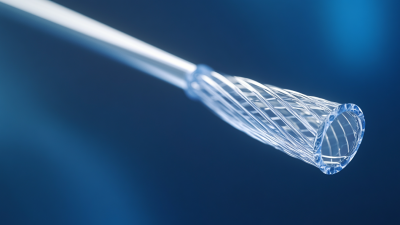
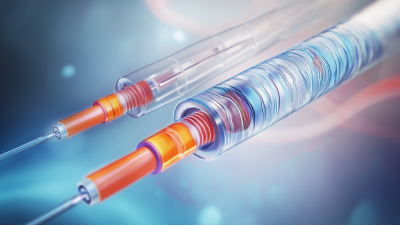
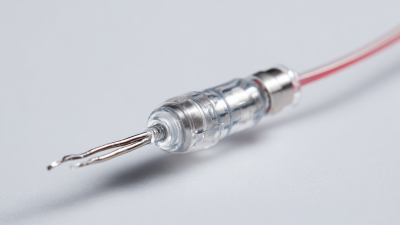
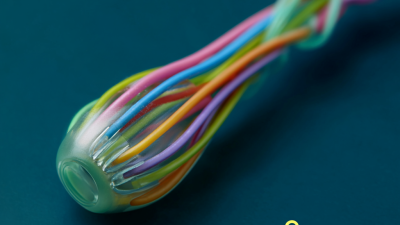
When it comes to minimally invasive surgeries, the Nitinol Guide Wire is really impressive—it's definitely a game-changer. Dr. Thomas Jennings, a well-known expert over at MedTech Innovations, points out just how crucial it is: "The flexibility and strength of this wire make navigating through tricky, complex areas a lot easier." Thanks to its unique shape-memory properties, it can bend and maneuver even in tight spots, which is such a big help during delicate procedures.
Made from a nickel-titanium alloy, this wire can actually go back to its original shape once heated up. That’s a feature doctors really appreciate because it makes accessing hard-to-reach places a lot more manageable. You’ll find it used a lot in fields like cardiology, urology, and vascular treatments. But, I have to say, it’s not without its challenges. Because these wires are so delicate, they need to be handled with a good amount of skill and care.
Even with all these advancements, the medical community still needs to keep an eye on how reliable Nitinol Guide Wires really are. Sometimes, performance can vary depending on how they’re made—that’s why ongoing research and strict quality control are super important. Keeping this dialogue going is key to making sure surgeons can trust these instruments when it really counts.

What is Nitinol and How Does it Differ from Other Materials?
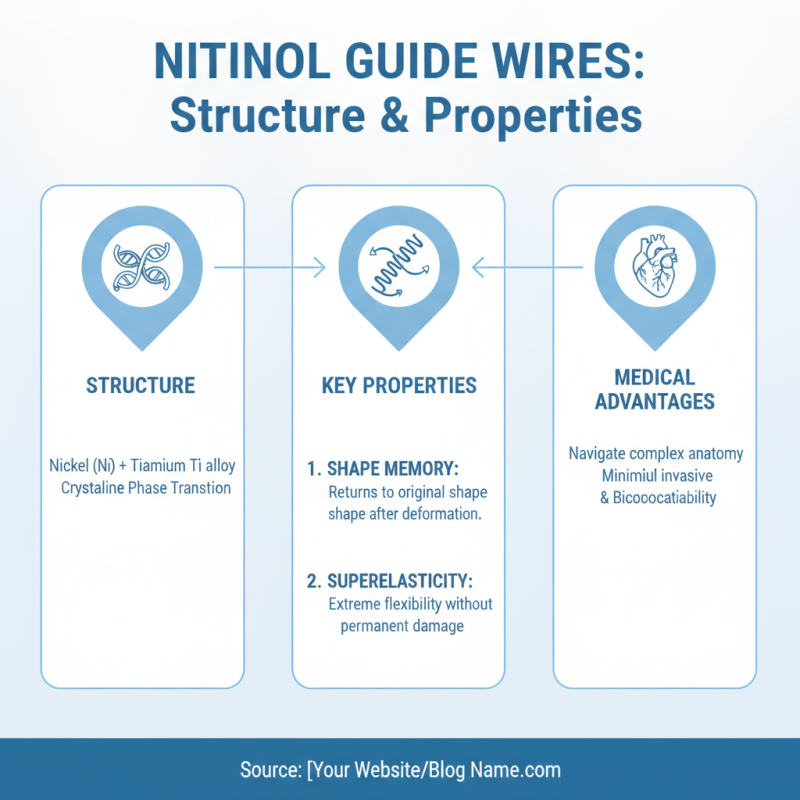
Nitinol is a unique alloy made primarily of nickel and titanium. Its most remarkable feature is its shape memory effect. When heated, it can return to its original predetermined shape. This property sets it apart from typical metals, which do not exhibit such behavior. The composition of Nitinol allows for flexibility and durability, making it an excellent choice for various medical applications.
Unlike traditional materials such as stainless steel, Nitinol offers enhanced biocompatibility. This means it can integrate well with the human body, reducing the risk of rejection. The wire's flexibility makes it easier to navigate complex anatomical pathways. Its spring-like quality allows it to maintain its shape during procedures. However, using Nitinol is not without challenges. The manufacturing process can be complex. Maintaining the right proportions of nickel and titanium is crucial for performance.
In certain situations, the behavior of Nitinol can be unpredictable. It may not always revert to its desired shape, which can complicate medical interventions. Understanding these limitations is essential for professionals using this material in real-world applications. Overall, Nitinol's unique properties offer significant advantages. Yet, careful consideration of its characteristics is vital for successful implementation.
Understanding the Structure and Properties of Nitinol Guide Wires
Nitinol guide wires are integral in various medical procedures. Composed of nickel and titanium, Nitinol exhibits unique properties. Its shape memory and superelasticity allow it to navigate complex anatomical paths. These features ensure flexibility without compromising strength.
The structure of Nitinol is crucial. Its crystalline arrangement changes with temperature. At body temperature, it retains a predetermined shape, making it ideal for guiding other medical instruments. This characteristic supports its use in procedures like angioplasty and stent placements.
Despite its advantages, challenges exist. The sensitivity of Nitinol to temperature can lead to unpredictable behavior. If not properly handled, it can kink or break, risking the procedure's success. These aspects highlight the need for thorough training and experience when employing Nitinol guide wires in the medical field. Understanding these intricacies is essential to maximize their potential.
Applications of Nitinol Guide Wires in Medical Procedures
Nitinol guide wires are crucial tools in various medical procedures. They are made from a unique nickel-titanium alloy, known for its remarkable flexibility and shape memory. This means they can return to their original shape after deformation. Because of this property, Nitinol guide wires can navigate complex vascular pathways without damaging surrounding tissues.
In interventional cardiology, Nitinol guide wires facilitate precise catheter placement. Their ability to bend without breaking allows doctors to maneuver through curved arteries. Additionally, these guide wires are used in procedures like angioplasty and stent placement. Surgeons benefit from their reliability and durability during challenging scenarios.
Tips: When using Nitinol guide wires, ensure they are properly lubricated. This will enhance their movement through narrow passages. Always double-check the integrity of the wire before use; any sign of damage could lead to complications.
The versatility of Nitinol guide wires extends to neurovascular interventions as well. They help navigate intricate brain vessels during embolization or thrombectomy. However, overly aggressive manipulation can cause issues. Practitioners must balance efficiency with caution to avoid complications like vessel trauma. The 0.035" Nitinol Guidewire is particularly common in these scenarios, showcasing its essential role in modern medicine.
The Manufacturing Process of Nitinol Guide Wires
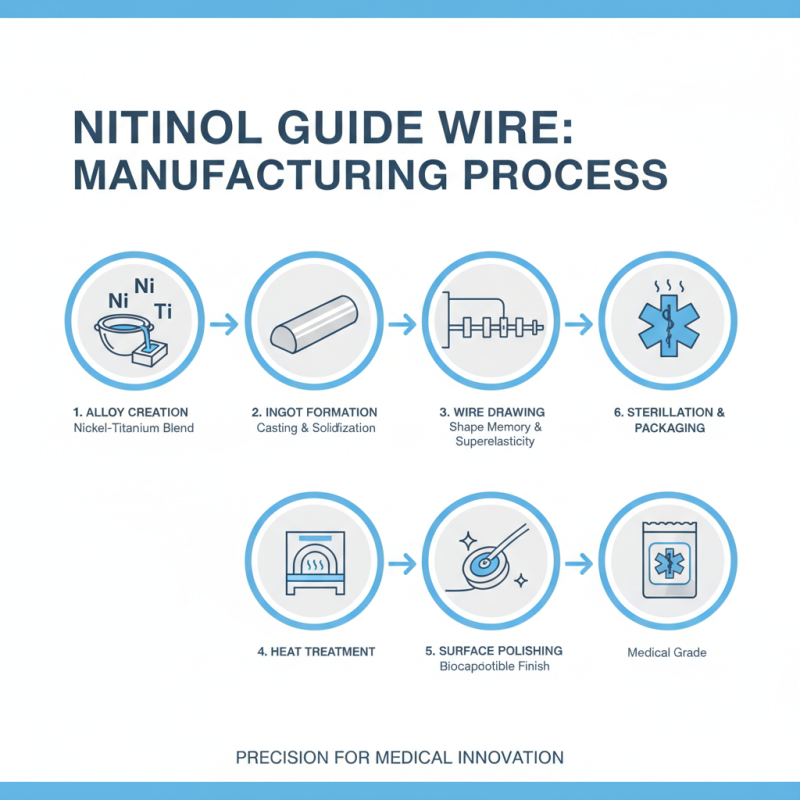
Nitinol guide wires are critical in the medical field. Their unique properties make them indispensable in various procedures. The manufacturing process of these guide wires involves several precision steps. First, a nickel-titanium alloy is created, ensuring the right balance between strength and flexibility. This alloy is subjected to heat treatments that affect its shape memory and superelasticity.
During production, the alloy is drawn into wire form. This process can reduce the wire's diameter to less than 0.014 inches. To achieve the desired flexibility and resilience, multiple thermal cycles are performed. These cycles dictate how the wire responds to stress and deformation. According to a report by the Medical Device and Diagnostic Industry, the Nitinol market is projected to reach over $2 billion by 2025, demonstrating the increasing demand for these components.
Quality control is critical in the manufacturing process. Tests for tensile strength and fatigue resistance are essential. Even minor flaws can alter performance. The production method must adapt to new innovations. As a result, continuous improvements are necessary for achieving optimal quality. The complexity of Nitinol processing offers challenges and opportunities for enhancement in the manufacturing landscape.
Advantages and Disadvantages of Using Nitinol Guide Wires
Nitinol guide wires are essential tools in medical procedures. They provide flexibility and strength, making them suitable for delicate tasks. The unique properties of Nitinol allow it to return to its original shape after bending.
This characteristic is crucial in navigating through complex vascular structures.
One advantage of Nitinol guide wires is their lower tendency to kink. This quality helps maintain a clear pathway, reducing the risk of complications during procedures. Doctors often appreciate how these wires can withstand the force applied without compromising their integrity. However, they also may present challenges. Their superelastic nature can make handling difficult for some practitioners, requiring more training and experience.
Another point worth noting is the cost factor. Nitinol guide wires, like the Nitinol Guidewire 0.038", tend to be more expensive than traditional wires. This price may limit their use in certain settings. Additionally, their sensitivity to temperature and storage conditions can pose challenges. Careful handling and proper storage are essential to retain performance. Balancing performance with economic factors remains an area for ongoing review.
Challenges and Future Developments in Nitinol Technology
Nitinol technology plays a crucial role in the medical field. However, it faces several challenges. One significant issue is the variability in the properties of Nitinol. Different manufacturers may produce wires with inconsistent performance. This inconsistency can lead to complications in procedures. Similarly, Nitinol's unique ability to return to its original shape can also hinder its effectiveness in certain situations.
Future developments in Nitinol may focus on improving its reliability. Researchers are exploring more controlled manufacturing methods. Enhanced process control could lead to better uniformity. This would increase the predictability of Nitinol guide wires, like the Nitinol guidewire 0.014". Additionally, integrating advanced monitoring technologies could refine its application in more complex procedures.
Moreover, addressing the biocompatibility of Nitinol is essential. While it is generally safe to use, long-term interactions with human tissue could present risks. Continuous research into the long-term effects might uncover previously unknown challenges. Working on these areas will not only enhance the efficacy of Nitinol guide wires but will also contribute to the overall safety of medical procedures involving this advanced material.
Best Practices for Handling and Maintaining Nitinol Guide Wires
Handling and maintaining Nitinol guide wires requires precision and care. Nitinol is a unique alloy known for its flexibility and shape-memory properties. This makes it ideal for navigating complex anatomical pathways. However, it is susceptible to damage if mishandled. Always use a gentle touch when inserting or withdrawing the wire. Avoid excessive force, as this can lead to kinks or breakage.
Cleaning is another crucial aspect. After use, ensure the guide wire is thoroughly cleaned according to established protocols. Use a soft cloth to remove bodily fluids or contaminants. Sterilization must be done properly to avoid infections. Inspect the wire regularly for signs of wear or fatigue. Any visible damage could compromise its performance during critical procedures.
Storage is equally important. Store the guide wires in their designated cases to prevent unintentional bending or twisting. Environmental factors can also affect their integrity, so keep them in a controlled setting. Training staff on the proper techniques for handling Nitinol guide wires can mitigate risks. Frequent education ensures that everyone understands the nuances involved. Small oversights during handling can lead to larger issues during medical procedures.
FAQS
: Nitinol is an alloy composed of nickel and titanium.
Nitinol exhibits shape memory and superelasticity, allowing it to navigate complex anatomical paths.
Its crystalline arrangement changes with temperature, affecting functionality and predetermined shapes.
Use a gentle touch; excessive force can cause kinks or breakage.
Clean them with a soft cloth and follow established sterilization protocols.
Inspect the wire regularly; any visible damage can compromise its performance.
Store them in designated cases to prevent bending or twisting.
Frequent education lowers risks associated with improper handling.
Yes, sensitivity to temperature can lead to unpredictable behavior during procedures.
Mishandling can lead to kinks or breakage, risking the success of medical procedures.
Conclusion
Nitinol Guide Wires are specialized medical instruments made from a unique nickel-titanium alloy that exhibits remarkable flexibility and shape memory properties. Unlike traditional guide wires, Nitinol Guide Wires can return to their original shape after deformation, making them particularly useful in navigating complex vascular structures during medical procedures.
The manufacturing process of these guide wires involves precise techniques to ensure their structural integrity and performance. While they offer several advantages, such as enhanced maneuverability and biocompatibility, there are also challenges associated with their use, including handling sensitivity and potential cost implications. Ongoing research and development in Nitinol technology continue to address these issues, aiming to optimize their applications in various medical scenarios and improve their overall utility in healthcare. Best practices for handling and maintaining Nitinol Guide Wires are essential in maximizing their effectiveness and lifespan in clinical settings.