Leave Your Message
0%

Navigating the world of medical devices can be pretty complex, and one tool that really stands out is the Cvc Catheter. It plays such a vital role in patient care, and Dr. John Smith from MedTech Innovations puts it nicely when he says, "Quality assurance in Cvc Catheter production isn’t just important — it’s absolutely essential." That really highlights just how crucial it is for manufacturers, especially those in China aiming for CE Certification, to stick to strict standards.

Getting CE Certification isn’t just some bureaucratic hurdle—it’s a key part of making sure your devices meet the tough health, safety, and environmental standards set by Europe. But let’s be honest, the process can be pretty intimidating and complicated. It’s easy for manufacturers to overlook important stuff like proper quality controls or proper paperwork, which can be a real headache down the line.

The market for CVC Catheters is booming — things are moving quickly. But at the same time, there are definitely hurdles. Some suppliers end up trying to navigate all these regulations without really knowing what they’re doing, which can lead to costly mistakes. Staying compliant isn’t just about knowing the rules, it also requires a genuine commitment to quality. In this evolving industry, getting a handle on CE Certification isn’t just helpful — it’s pretty much essential if you wanna play on the global stage.

CE Certification for CVC Catheter Suppliers in China Explained?

Understanding CE Certification and Its Importance for CVC Catheters

CE Certification for CVC Catheter Suppliers in China Explained?

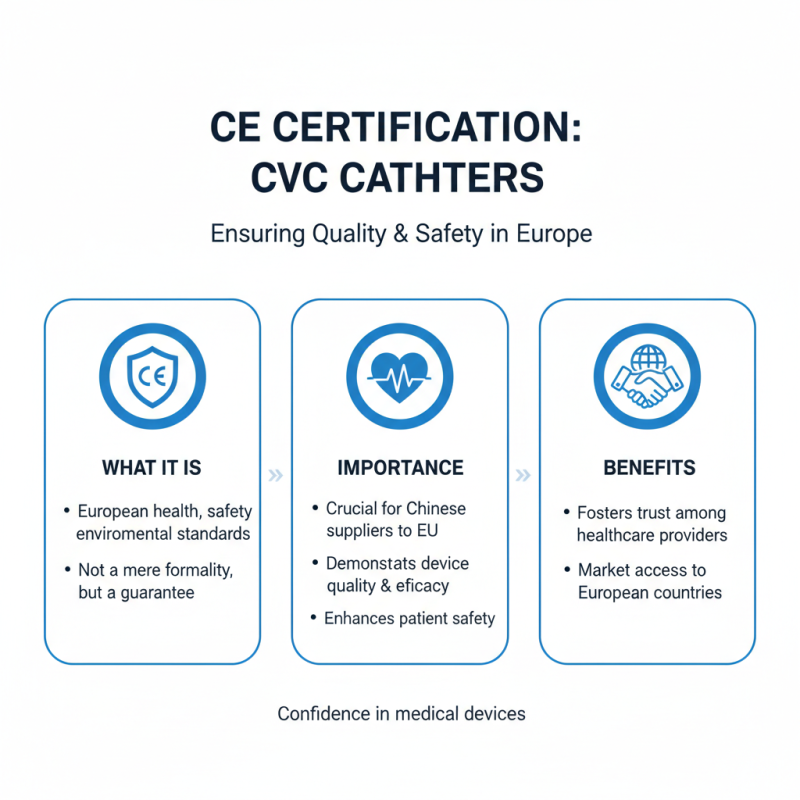
CE certification is crucial for CVC catheter suppliers in China. It demonstrates compliance with European health, safety, and environmental requirements. For CVC catheters, this certification is not merely a formality. It guarantees the device's quality and efficacy. Meeting these standards enhances patient safety and fosters trust among healthcare providers.

Achieving CE certification involves rigorous testing and documentation. Each Cvc Hd Catheter must undergo extensive evaluations. This process assesses its design, materials, and performance. Suppliers should maintain well-documented procedures and quality management systems. However, navigating these requirements can be challenging. Many suppliers face setbacks, leading to delays in certification. Some may overlook essential components in their submissions.

In addition, the importance of continuous improvement cannot be ignored. Suppliers must learn from past experiences. Engaging with CE regulatory experts can provide valuable insights. Staying updated with evolving standards is essential. The journey to obtaining CE certification is complex but essential for ensuring high-quality Cvc Hd Catheters.

Overview of CVC Catheter Regulations in China

In China, Central Venous Catheter (CVC) regulations focus on safety and efficacy. Understanding these guidelines is crucial for suppliers. Compliance ensures products meet health standards. The National Medical Products Administration (NMPA) oversees these regulations. They play an essential role in market entry for CVC catheters.

Manufacturers must navigate a complex process. This includes product registration and obtaining CE certification. This certification demonstrates that the product meets EU safety requirements. Suppliers must provide extensive documentation. This should include clinical trial data and quality control measures. The bureaucratic hurdles can be daunting, yet necessary for patient safety.

There are also areas for improvement in regulatory clarity. Suppliers often face confusion regarding documentation. Continuous communication with regulatory bodies can aid in overcoming these challenges. Overall, while the regulations are stringent, they are designed to protect consumers and ensure high medical standards.

CE Certification for CVC Catheter Suppliers in China Explained? - Overview of CVC Catheter Regulations in China

Regulation Aspect Details
Regulatory Authority National Medical Products Administration (NMPA)
CE Certification Requirement Mandatory for market entry into the EU
Testing Standards ISO 13485, ISO 14971, and ISO 10993
Local Agent Requirement Required for foreign manufacturers
Documentation Needed Technical file, clinical evaluation report, and risk analysis
Post-Market Surveillance Mandatory reporting of adverse events
Validity Period of CE Mark 5 years before renewal required

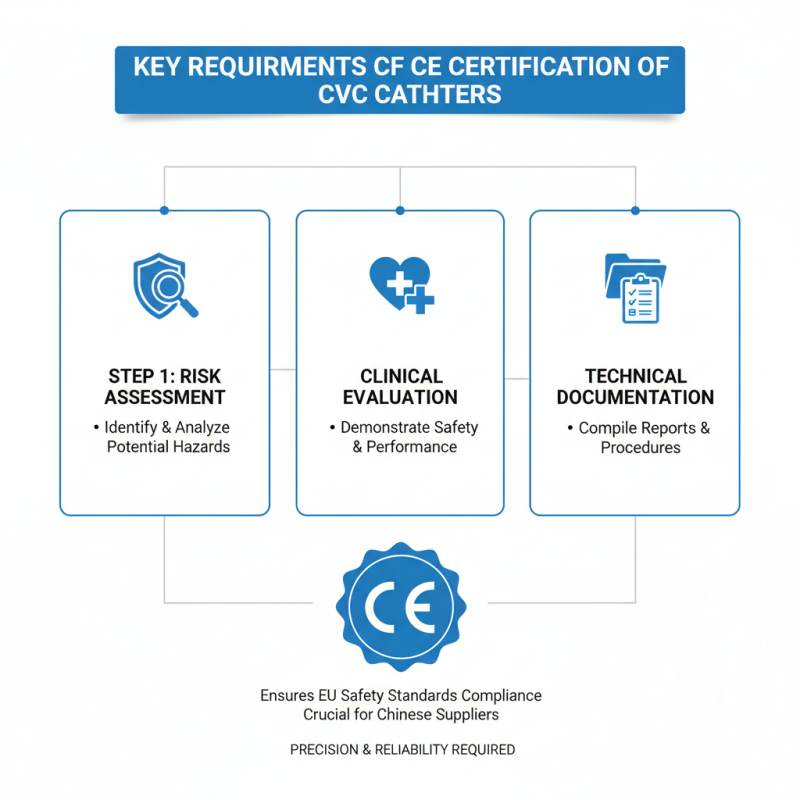
Key Requirements for CE Certification of CVC Catheters

CE Certification for CVC Catheter Suppliers in China Explained?

CE certification is crucial for CVC catheter suppliers in China. This certification ensures that products comply with European Union safety standards. To obtain CE certification, manufacturers must follow detailed guidelines. These include risk assessment, clinical evaluations, and thorough documentation. Each step requires precision and reliability.

Manufacturers must conduct extensive tests on their Acute Cvc Catheter products. These tests evaluate biocompatibility, physical properties, and durability. Meeting these criteria is not easy. Some suppliers struggle with documentation accuracy. Gaps in clinical data can lead to certification delays.

Additionally, suppliers should establish quality management systems. These systems help maintain compliance with international standards. Regular audits and continuous improvement are essential. However, challenges often arise during implementation. Suppliers may find it difficult to adapt to regulatory changes or ensure consistent quality.

The Certification Process for CVC Catheter Suppliers

The certification process for CVC catheter suppliers in China is intricate and essential for market access. To ensure safety and quality, suppliers must adhere to national and international standards. This certification typically begins with a thorough assessment of manufacturing facilities. Inspectors evaluate the production processes and quality control measures in place.

After the initial assessment, suppliers must submit various documentation. This documentation often includes technical files, risk management reports, and clinical evaluation data. Each of these elements demands careful attention to detail. Additionally, the process can take several months due to the extensive review required by certifying bodies.

Non-compliance with regulations can lead to significant setbacks in market entry. It is crucial for suppliers to stay updated with evolving standards. Though the process is stringent, it ultimately enhances product reliability. As suppliers navigate these challenges, they must reflect on their practices continually. This commitment to improvement is vital for sustaining quality in a competitive industry.

Common Challenges Faced by CVC Catheter Manufacturers in Compliance

CE certification plays a crucial role for CVC catheter suppliers in China. However, manufacturers face numerous challenges in achieving compliance with CE requirements. One significant issue is the complexity of the regulatory landscape. Many suppliers lack a deep understanding of the CE marking process. A recent industry report indicates that over 40% of manufacturers find regulatory updates difficult to track.

Another challenge lies in the testing of Cvc Catheter Parts. Compliance with the stringent safety and effectiveness standards often requires extensive documentation and clinical evidence. Many companies struggle to collect adequate data. A survey revealed that approximately 35% of manufacturers feel overwhelmed by the testing requirements, which can delay their entry to market. Innovations in materials used in these catheters further complicate compliance, as new products may not fit existing regulatory frameworks.

Additionally, quality control remains a pressing concern. Ensuring that every CVC catheter part meets the high standards can be labor-intensive. Poor quality can lead to product recalls, damaging a company’s reputation. Many manufacturers fail to employ robust quality management systems, exposing them to compliance risks. Lack of experience and resources often contributes to this oversight. Addressing these challenges is essential for suppliers aiming for CE certification in a competitive market.

Benefits of CE Certification for CVC Catheter Suppliers

CE certification is crucial for CVC catheter suppliers in China. This certification demonstrates that medical devices meet essential health, safety, and environmental requirements set by the European Union. It enhances the credibility of these suppliers in competitive markets.

Obtaining CE certification offers numerous benefits. First, it opens doors to the European market, allowing suppliers to expand their reach. Enhanced trust from healthcare professionals is another advantage. Hospitals and clinics often prefer CE-marked products. This preference reflects a commitment to quality and safety.

However, the certification process can be complex and time-consuming. Suppliers must ensure compliance with strict regulations. This may require significant resources and expertise. Some suppliers may find themselves unprepared for such challenges. Therefore, they need continuous reflection on their processes and improvements. Embracing these challenges can ultimately lead to better products and services.

Future Trends in CE Certification for Medical Devices in China

The landscape of CE certification for medical devices in China, particularly for CVC catheter suppliers, is evolving rapidly. As the demand for advanced medical technologies increases, the pressure for compliance with CE requirements grows proportionally. A recent market report indicated that the global catheter market is set to reach $8.5 billion by 2025, with a significant portion attributed to central venous catheters, reflecting a crucial area for certification focus.

Manufacturers need to stay updated with European regulations, as these can change frequently. The complexity of different Cvc Catheter Types can lead to varying certification paths, making it essential for suppliers to navigate these differences carefully. For instance, unique design features such as antimicrobial coatings will require more detailed evaluation by regulatory bodies. Understanding the nuances can affect market entry strategies and timelines.

**Tip:** Engage with regulatory experts to clarify certification requirements based on specific CVC catheter types. This can mitigate delays and enhance compliance.

Future trends suggest a shift towards increased digitalization in the certification process. Not only are authorities pushing for faster approvals, but manufacturers are also leveraging technology for better compliance tracking. However, there remains a gap in awareness among smaller suppliers about these digital tools.

**Tip:** Regular training on digital certification tools can empower suppliers, enhancing their competitive edge in a stringent market. The focus should be on adapting and investing in processes that keep pace with regulatory changes.

CE Certification Trends for CVC Catheter Suppliers in China

This bar chart represents the increasing trend of CE certifications for CVC catheter suppliers in China from 2021 to 2025. It highlights the expected growth in the number of certifications as the market expands and regulatory requirements become more stringent.

FAQS

: What is CE certification and why is it important?

: CE certification indicates compliance with health, safety, and environmental standards. It ensures the quality and efficacy of CVC catheters.

How does a supplier achieve CE certification?

Achieving CE certification involves rigorous testing and documenting the product's design, materials, and performance through evaluations.

What challenges do suppliers face during the certification process?

Many suppliers experience delays due to overlooking essential components and navigating complex bureaucratic requirements.

Why is continuous improvement emphasized for suppliers?

Continuous improvement helps suppliers learn from past experiences and stay updated with evolving standards in the certification process.

Who oversees CVC catheter regulations in China?

The National Medical Products Administration (NMPA) is responsible for overseeing regulations to ensure product safety and efficacy.

What documentation is necessary for certification?

Suppliers must provide technical files, risk management reports, and clinical evaluation data as part of their certification submission.

What are the consequences of non-compliance?

Non-compliance can lead to significant delays in market entry and disrupt business operations for suppliers.

How long does the certification process typically take?

The certification process can take several months due to the extensive review required by certifying bodies.

What should suppliers do to overcome regulatory challenges?

Continuous communication with regulatory bodies can help suppliers navigate confusion and improve documentation clarity.

How can suppliers enhance product reliability?

By adhering to stringent processes and reflecting on their practices regularly, suppliers can maintain high product reliability.

Conclusion

The article delves into the critical topic of CE certification for CVC catheters supplied by manufacturers in China. It highlights the importance of CE certification as a regulatory requirement that ensures the safety and efficacy of medical devices, particularly CVC catheters. The article provides an overview of the existing regulations in China, key requirements for obtaining CE certification, and outlines the certification process that suppliers must navigate.

Additionally, it discusses common challenges faced by manufacturers in achieving compliance, such as meeting stringent quality standards and conducting adequate clinical evaluations. The benefits of obtaining CE certification for CVC catheter suppliers are articulated, emphasizing enhanced market access and increased consumer trust. Lastly, the article explores future trends in CE certification within the medical device sector in China, providing insights into the evolving landscape of medical regulations.


Liam

Liam

Liam is a dedicated professional marketing specialist at Tianck Medical CO., Ltd., where he passionately works to improve patient outcomes and advance healthcare. With a deep understanding of the medical industry, Liam plays a crucial role in promoting the company's precision-engineered products,......
Previous Ultimate Tips for Choosing the Right Introducer Sheath?